


Vietnamese Sweet Potatoes: Stepping Out into the World – Confidently a Vietnamese Snack
In the world of healthy snacks, fried sweet potatoes are gradually becoming a popular choice thanks to their naturally sweet and crispy flavor and high nutritional value. More than just a snack, sweet potatoes are tied to a journey from Vietnamese farms to modern processing technology. In this article, we will follow the fascinating journey of sweet potatoes: from fertile soil, through advanced processing methods, to becoming a delicious and healthy snack reaching out to the world.
Sweet Potatoes: Vietnam’s “Golden” Ingredient
Vietnam has many renowned sweet potato-growing regions such as Vinh Long, Dong Thap, Dak Lak, and Gia Lai, where fertile soil and favorable climates produce chewy, sweet, and visually appealing varieties. Types such as purple sweet potatoes, honey sweet potatoes, and golden-flesh sweet potatoes are not only tasty but also rich in nutrients: vitamins A and C, fiber, and natural antioxidants.
The special feature of Vietnamese sweet potatoes is that they are non-GMO, free of preservatives, and grown seasonally. This has attracted strong interest from international markets, especially as consumer trends shift towards clean, traceable food sources.
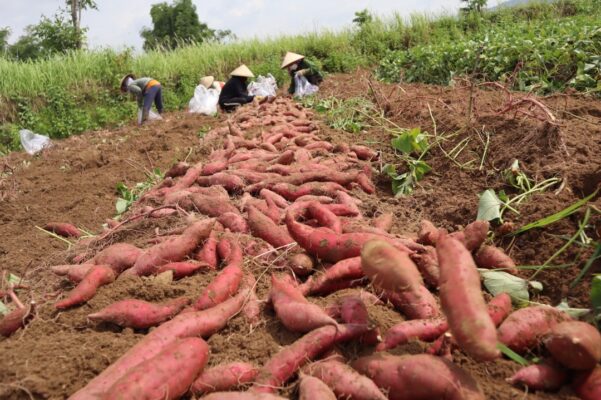
If you visit Vinh Long, Gia Lai, or Da Lat, you will easily come across vast fields of sweet potatoes. These lands have been closely linked with sweet potatoes for generations, supplying large yields for the entire country. Farmers select disease-free varieties, apply farming methods that limit chemical use, and in many areas have even shifted to organic models. Sweet potatoes are harvested at the right time to preserve their sweetness and nutritional content. For many families, sweet potatoes are not just crops but livelihoods and a source of pride passed down through generations. The story of sweet potatoes therefore extends beyond economics to embody human values.
Today, the use of planting area codes and traceability helps Vietnamese sweet potatoes build credibility in both domestic and international markets. Each sweet potato is not only food but also a “business card” of Vietnamese farmers.
Transforming into Snacks – Innovation from Rural Roots
In recent years, Vietnamese sweet potatoes have gone beyond traditional boiled or roasted dishes. Thanks to modern processing technology, domestic enterprises have turned local sweet potatoes into fried sweet potato chips, crispy dried snacks, nutritional powders, and even into cakes, noodles, and milk made from sweet potatoes.
In particular, crispy dried sweet potato snacks have become a flagship product: tasty, convenient, and free of chemical additives. This marks a breakthrough: from raw agricultural produce to high value-added products with strong international competitiveness.
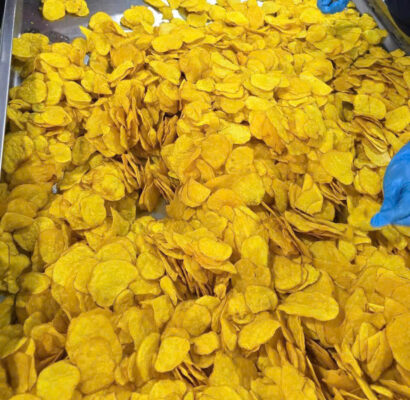
The process begins with selection and preliminary processing: the sweet potatoes are washed, peeled, and thinly sliced evenly to ensure crispiness and visual appeal when fried.
The most important step is frying with modern technology. Instead of traditional frying that soaks the snack in oil, vacuum frying technology minimizes oil absorption while preserving natural flavor and vibrant color. After frying, the sweet potatoes are dried and excess oil removed, then packaged in vacuum-sealed or nitrogen-filled bags to maintain crispness for longer.
Thanks to this technology, sweet potato snacks are crispy yet low in oil, healthier, and still retain their natural sweetness. This transformation has elevated humble sweet potatoes into modern snacks capable of competing with international brands.
Stepping Out into the World – Confidently a Vietnamese Snack
The sweet potato snack market is booming: according to a report by Data Insights Market, the market size in 2025 is estimated at about USD 2.5 billion, with a projected compound annual growth rate (CAGR) of around 7% between 2025 and 2033. This is a clear signal that importers, distributors, and retail chains should consider adding sweet potato snack SKUs to their product portfolios, aligning with consumer trends toward health-conscious choices. Moreover, free trade agreements (FTAs) open doors to tariff preferences, helping Vietnamese products penetrate demanding markets more easily.
Currently, Vietnamese sweet potatoes and processed sweet potato products are present in over 20 countries, including promising markets such as:
- Japan: fond of purple sweet potatoes and low-oil sweet potato snacks.
- South Korea: particularly enjoys chewy and crispy honey sweet potato snacks.
- Europe, USA: require high standards of quality, food safety, and clear traceability.
Many Vietnamese enterprises have achieved international certifications such as HACCP, ISO, HALAL, and FDA – the “passports” that allow Vietnamese sweet potato products to reach global markets.
Not only available in Asian supermarkets, Vietnamese sweet potato snacks are also distributed in major supermarket chains, vegetarian restaurants, and organic food stores abroad – demonstrating their growing appeal and reach.
Conclusion
From humble sweet potatoes grown in Vietnamese soil, the country now holds the opportunity to turn them into a key export industry. Every step forward in sweet potato snacks represents a step forward for Vietnamese agriculture on its path to conquering the global market – sustainable, confident, and rich in identity.